The landscape of professional productivity is shifting rapidly, and Microsoft’s recent Copilot refresh signals a major evolution in how we interact with software. By moving beyond simple text-based assistance toward a deeply connected, agentic AI experience, Microsoft is fundamentally changing the developer and technical lead workflow. Understanding these updates is essential for anyone looking to leverage automated agents for code generation, task delegation, and cross-platform orchestration.
From Conversational AI to Agentic Autonomy
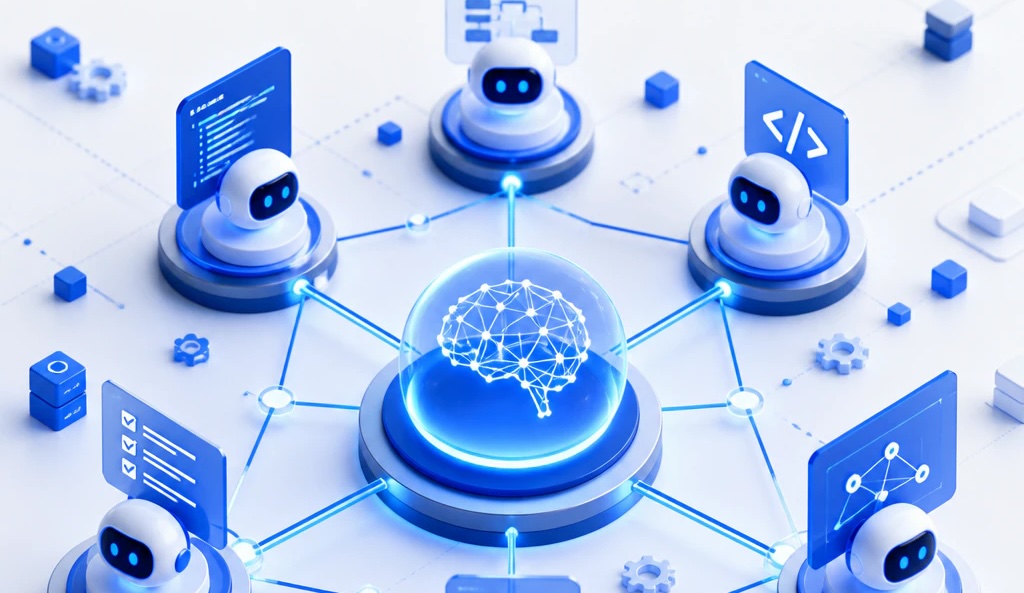
For years, "AI assistance" meant prompting a chatbot and manually integrating its output into your project. The latest updates from Microsoft move us into the era of "agentic" workflows. In this context, an agent is not just a tool that responds to a query; it is a system capable of interpreting intent, accessing context across your tools, and executing multi-step tasks independently.
According to Microsoft’s Partner Center documentation, the goal is to create a seamless fabric where Copilot functions as an active participant rather than a passive assistant. For developers, this means the AI can now understand the relationships between various parts of your architecture, allowing for more precise code generation and debugging.
Key Changes in Developer Workflows
The refresh introduces several shifts that technical leads should monitor closely as they integrate these tools into their CI/CD pipelines.
1. Unified Context Awareness
One of the primary friction points in AI-assisted development has been the lack of situational awareness. Previously, developers had to provide extensive context in every prompt. The new framework allows Copilot to pull relevant data from your integrated development environment (IDE) and project documentation more fluidly, reducing the "garbage in, garbage out" cycle.
2. Delegated Execution
Rather than just providing code snippets, the updated agentic capabilities allow for delegated tasks. Imagine assigning your IDE the task of refactoring a module, writing unit tests for it, and updating the documentation—all as a single, background operation.
3. Cross-Platform Orchestration
Because these updates are designed to connect with broader business tools, agents can now bridge the gap between technical output and project management. A developer can trigger an update that not only changes the code but also updates the status in a project tracking tool, ensuring the documentation stays in sync with the codebase.
Managing the Shift to Agentic Systems
As a technical lead, your responsibility is to ensure that these autonomous features improve efficiency without introducing security vulnerabilities or "black box" code debt.
- Auditability: Always ensure that your team maintains human-in-the-loop oversight for critical deployment steps.
- Prompt Engineering vs. Agent Orchestration: While prompt engineering was the focus of the last two years, the focus is now shifting toward "orchestration." Learning how to define the boundaries of what an agent can access and change is the new essential skill.
- Security Posture: With agents gaining the ability to interact with more of your infrastructure, reviewing access controls and permissions is more critical than ever.
Why This Matters for Your Team
The transition to agentic AI is not just a marketing shift; it is a structural change in how software teams scale. By automating the boilerplate of project management and code implementation, your team can focus on higher-level architectural decisions and creative problem-solving.
As Microsoft continues to refine these capabilities, the barrier between "writing code" and "managing intent" will continue to blur. For those willing to adopt these agentic workflows early, the result is a significant increase in development velocity and a reduction in manual, repetitive overhead.
Staying Ahead of the Curve
The integration of agentic workflows is an ongoing process. To stay informed on how these features are being implemented across the industry, keep an eye on official product roadmaps and technical updates.
How is your team currently integrating agentic AI into your development cycle? We want to hear about the challenges and wins you’ve experienced so far.